
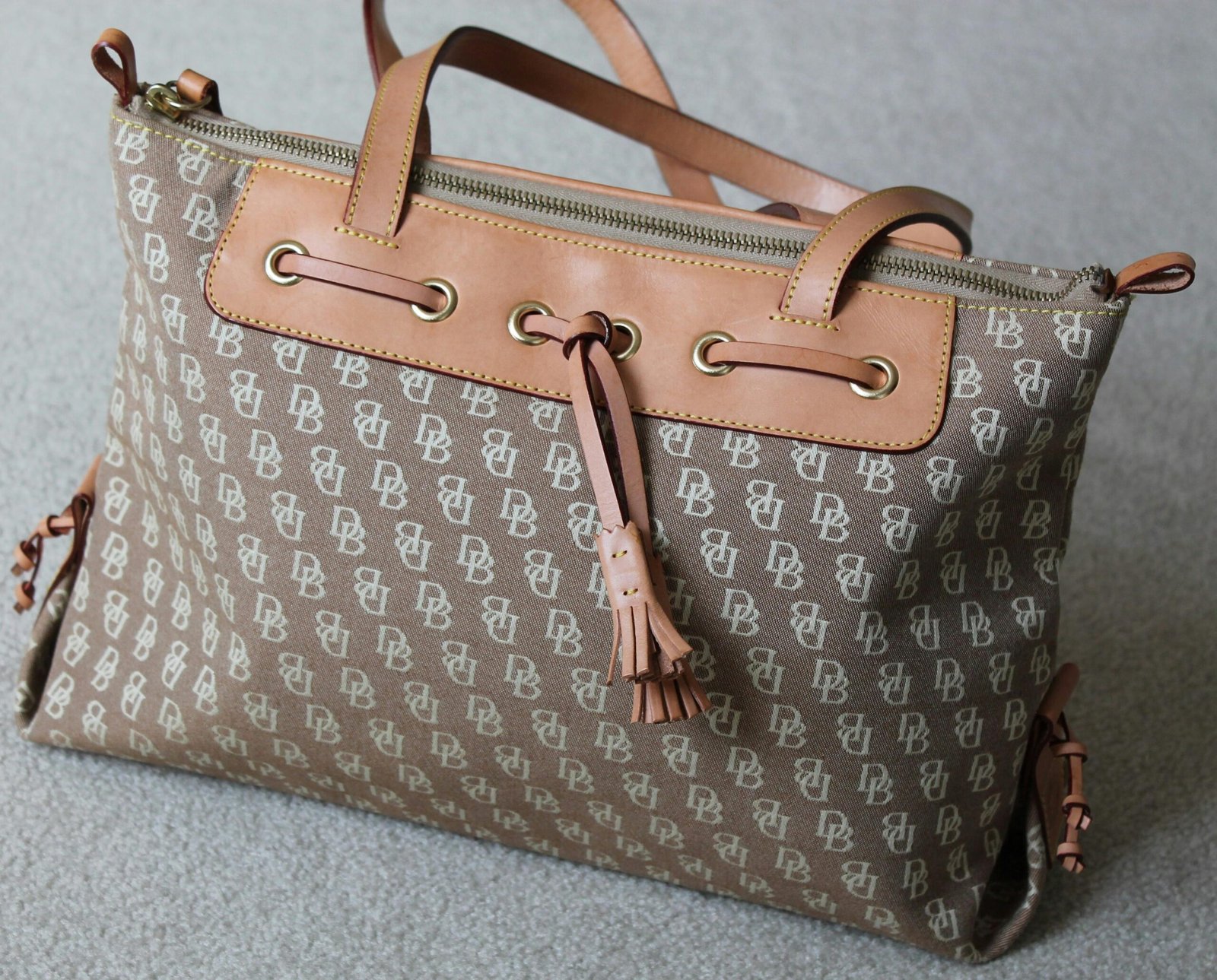
When consumers ask what is PU leather, they are seeking clarity about one of the most widely used synthetic materials in fashion, furniture, automotive interiors, and accessories. PU leather, short for polyurethane leather, is a man-made material designed to replicate the look and feel of genuine leather without using animal hide. Over the past decades, polyurethane leather has gained widespread popularity due to its affordability, versatility, and evolving production techniques that enhance texture and durability. As sustainability discussions and ethical sourcing become central to consumer decisions, understanding PU leather’s composition, advantages, limitations, and maintenance requirements becomes essential for making informed purchasing choices.
What Is PU Leather Made Of? Composition and Manufacturing Process
PU leather is constructed using a layered manufacturing process. At its core, the material typically consists of a base layer made from split leather or entirely synthetic fabric such as polyester. This base is coated with a layer of polyurethane, a flexible polymer that creates a smooth, leather-like surface. The polyurethane layer is embossed with texture patterns that mimic the grain and feel of natural leather.
Unlike genuine leather, which is derived from treated animal hide, polyurethane leather is produced through chemical synthesis. This controlled production allows manufacturers to customize thickness, color, and finish according to design requirements. The result is a uniform material free from natural imperfections such as scars or inconsistencies found in real leather. Because of its engineered structure, PU leather can be manufactured in various finishes, from matte and soft-touch surfaces to glossy or patterned textures.
PU Leather vs Genuine Leather: Key Differences Explained
Understanding PU leather vs genuine leather is critical for buyers comparing materials. Genuine leather is derived from animal hides and undergoes tanning processes that preserve and strengthen the material. It develops a natural patina over time and often becomes softer with age. PU leather, by contrast, maintains a consistent appearance throughout its lifespan and does not develop the same aging characteristics.
In terms of cost, polyurethane leather is generally more affordable because it does not involve livestock production or complex tanning processes. Maintenance also differs significantly. PU leather requires less conditioning and does not absorb moisture in the same way genuine leather does. However, genuine leather often offers superior breathability and may outlast synthetic alternatives when properly maintained.
Environmental considerations further differentiate the two. While PU leather avoids animal sourcing, its production involves chemical processes. Modern advancements are increasingly focused on reducing environmental impact through water-based polyurethane formulations and sustainable manufacturing techniques.
Is PU Leather Durable? Performance and Longevity
A common question is is PU leather durable enough for everyday use. The answer depends largely on quality and application. High-quality polyurethane leather can resist scratches, stains, and moisture effectively, making it suitable for furniture upholstery, handbags, jackets, and car interiors. Its resistance to fading and cracking under moderate use adds to its practicality.
However, PU leather may not match the long-term durability of top-grain genuine leather in heavy-use scenarios. Over time, lower-grade polyurethane materials may peel or crack, particularly when exposed to excessive heat or friction. Selecting products made with high-grade polyurethane coatings significantly improves lifespan and performance.
Because PU leather does not absorb oils and moisture like genuine leather, it is often more resistant to staining. This property makes it particularly popular in households with children or pets, where easy cleaning is a priority.
Advantages of PU Leather
PU leather offers several compelling advantages that contribute to its widespread adoption across industries:
-
Affordability: It provides a leather-like aesthetic at a fraction of the cost.
-
Consistency: Uniform texture and color ensure predictable product appearance.
-
Low Maintenance: It does not require conditioning treatments.
-
Water Resistance: Its synthetic coating resists moisture penetration.
-
Animal-Friendly Option: It avoids the use of animal hides.
These characteristics make polyurethane leather an accessible and versatile alternative to traditional leather.
Disadvantages of PU Leather
Despite its benefits, PU leather also has limitations. It may lack the natural breathability of genuine leather, potentially leading to reduced comfort in certain applications such as seating. Additionally, lower-quality PU leather can deteriorate faster, particularly when exposed to UV light or high humidity.
Unlike genuine leather, which can sometimes be restored through conditioning, damaged PU leather is more difficult to repair once peeling or cracking begins. Understanding these trade-offs helps consumers align material choice with intended use.
Common Uses of Polyurethane Leather
Polyurethane leather is utilized across a wide range of industries due to its adaptable properties. In fashion, it appears in jackets, handbags, wallets, and footwear. Furniture manufacturers rely on PU leather for sofas, chairs, and office seating due to its ease of cleaning and consistent finish. Automotive interiors frequently incorporate PU leather for seat covers and trim panels.
Its versatility extends to electronic accessories such as phone cases and tablet covers, where durability and sleek appearance are desirable. The material’s ability to mimic premium finishes while maintaining affordability supports its continued popularity.
How to Care for PU Leather: Maintenance and Cleaning Tips
Proper PU leather care and maintenance significantly extend product lifespan. Cleaning typically requires only a soft cloth dampened with mild soap and water. Avoid abrasive cleaners or harsh chemicals that could damage the polyurethane coating. Regular wiping prevents dust accumulation and preserves surface shine.
Keeping PU leather items away from direct sunlight and excessive heat reduces the risk of cracking. Storage in cool, dry environments supports long-term preservation. Unlike genuine leather, conditioning products are unnecessary and may even harm the surface coating.
Prompt attention to spills prevents staining. Because polyurethane is water-resistant, most liquids can be removed easily before they set.
Environmental Considerations and Modern Innovations
As sustainability becomes increasingly important, manufacturers are exploring eco-friendly polyurethane alternatives. Water-based PU coatings and bio-based polymers aim to reduce environmental impact without compromising quality. These innovations enhance the appeal of polyurethane leather among environmentally conscious consumers.
While debates continue regarding the overall sustainability comparison between synthetic and genuine leather, advancements in material science are steadily improving the ecological footprint of PU leather production.
Conclusion: Is PU Leather the Right Choice for You?
Understanding what is PU leather empowers consumers to make informed decisions based on budget, usage, and personal preferences. Polyurethane leather offers affordability, visual appeal, and low-maintenance convenience, making it suitable for a wide range of products. While it may not replicate every characteristic of genuine leather, its practicality and versatility make it a compelling alternative in modern manufacturing. By evaluating durability needs, environmental considerations, and intended application, buyers can confidently determine whether PU leather aligns with their expectations.
Frequently Asked Questions (FAQ)
What does PU leather stand for?
PU leather stands for polyurethane leather, a synthetic material designed to resemble genuine leather.
Is PU leather real leather?
No, PU leather is not real leather. It is a man-made material created using polyurethane coatings over a fabric base.
How long does PU leather last?
High-quality PU leather can last several years with proper care, though it may not match the lifespan of genuine leather.
Is PU leather waterproof?
PU leather is water-resistant but not entirely waterproof. Prolonged exposure to moisture should be avoided.
Can PU leather peel?
Lower-quality PU leather may peel over time, particularly if exposed to heat, friction, or poor maintenance practices.