
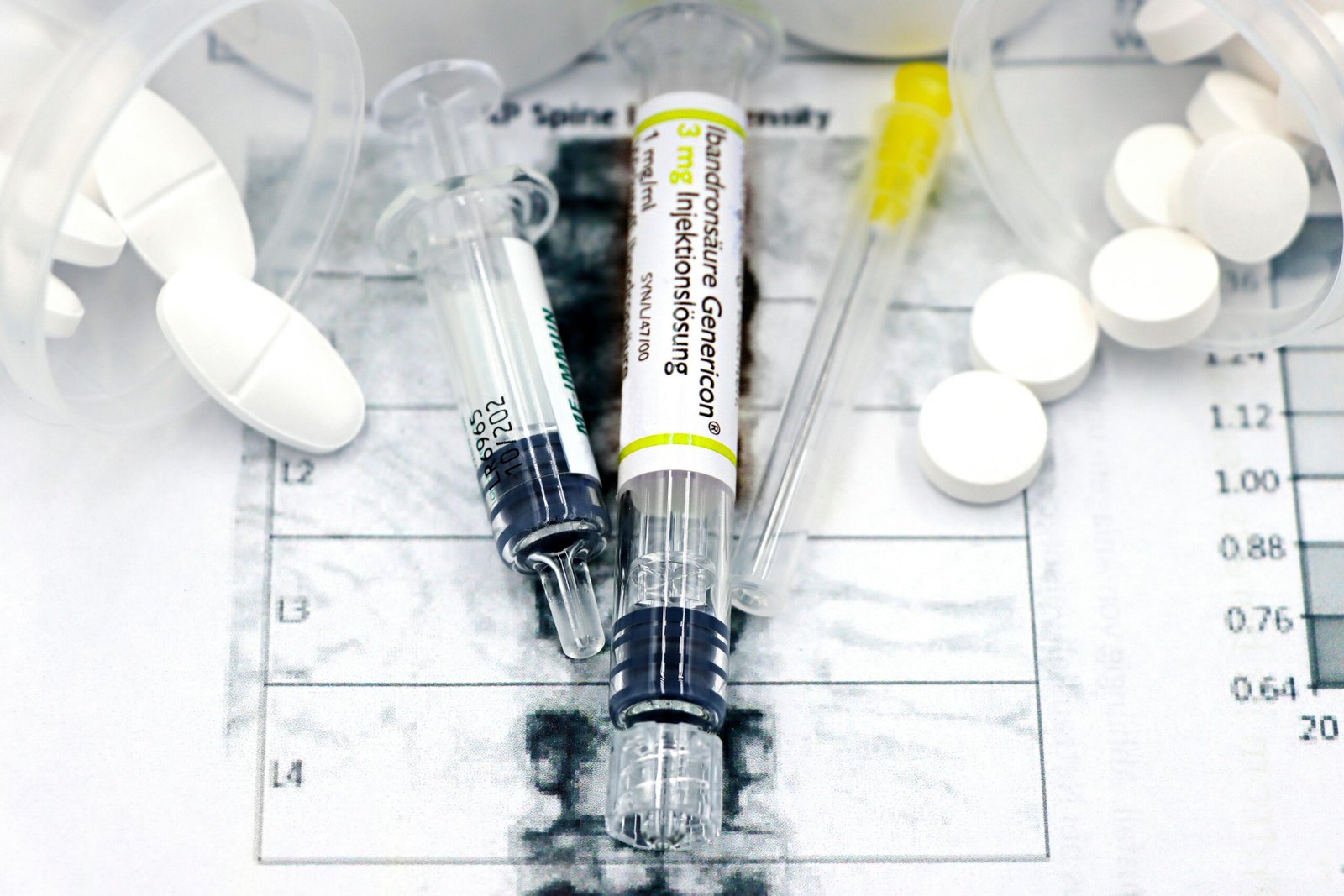
Bone health plays a fundamental role in maintaining overall physical strength, mobility, and quality of life. However, the condition often referred to as “the lost bone” has become increasingly common, affecting millions of individuals worldwide. This term broadly describes the gradual reduction in bone density and mass, which can lead to fragility, fractures, and serious health complications if left untreated. We explore the complete scope of bone loss, including its causes, warning signs, advanced treatments, and effective prevention strategies to ensure long-term skeletal health.
What Is “The Lost Bone”?
The phrase “the lost bone” refers to the progressive deterioration of bone tissue, medically known as bone loss or bone resorption. This condition occurs when the body breaks down bone faster than it can rebuild it, leading to weakened skeletal structure.
Bone is a living tissue that constantly regenerates. However, factors such as aging, hormonal changes, and lifestyle habits can disrupt this balance, resulting in reduced bone density and increased vulnerability to fractures.
Major Causes of Bone Loss
1. Aging and Natural Degeneration
As individuals age, bone regeneration slows down. After the age of 30, bone mass gradually declines, making aging one of the most significant contributors to the lost bone condition.
2. Hormonal Imbalances
Hormones like estrogen and testosterone play a crucial role in maintaining bone density. A decrease in these hormones, particularly during menopause, accelerates bone loss.
3. Nutritional Deficiencies
A lack of calcium, vitamin D, and protein can severely impact bone strength. These nutrients are essential for maintaining and rebuilding bone tissue.
4. Sedentary Lifestyle
Physical inactivity weakens bones over time. Weight-bearing The Lost Bone:exercises are essential for stimulating bone growth and maintaining density.
5. Medical Conditions and Medications
Certain diseases such as osteoporosis and medications like corticosteroids can significantly contribute to bone deterioration.
Symptoms of Bone Loss
Bone loss often develops silently, making early detection challenging. However, some noticeable signs include:
- Frequent fractures or bone injuries
- Decreased height over time
- Back pain caused by weakened vertebrae
- Poor posture or stooping
- Weak grip strength
Recognizing these symptoms early is crucial for effective intervention.
The Impact of Bone Loss on Health
The consequences of the lost bone extend beyond physical discomfort. Severe bone loss can lead to:
- Osteoporosis, a condition characterized by fragile bones
- Increased risk of fractures, especially in hips, spine, and wrists
- Reduced mobility and independence
- Long-term disability in severe cases
Maintaining bone health is essential not only for strength but also for preserving overall well-being.
Diagnosis of Bone Loss
Early diagnosis plays a vital role in managing bone loss effectively. Healthcare professionals typically use:
Bone Density Tests (DEXA Scan)
This is the most reliable method for measuring bone mineral density and detecting early stages of bone loss.
Blood Tests
Used to evaluate calcium levels, vitamin D deficiency, and hormonal imbalances.
Imaging Techniques
X-rays and advanced imaging help identify fractures or structural bone issues.
Effective Treatments for The Lost Bone
1. Medications
Doctors may prescribe medications such as bisphosphonates to slow bone loss and improve density.
2. Hormone Therapy
Hormone replacement therapy can help balance estrogen or testosterone levels, reducing the rate of bone deterioration.
3. Calcium and Vitamin D Supplements
These are essential for rebuilding and maintaining bone strength.
4. Physical Therapy
Targeted exercises improve bone strength, balance, and coordination, reducing fracture risk.
Natural Ways to Prevent Bone Loss
1. Balanced Diet
Consuming foods rich in calcium such as dairy products, leafy greens, and fortified foods is essential. Vitamin D from sunlight exposure enhances calcium absorption.
2. Regular Exercise
Weight-bearing activities like walking, jogging, and strength training stimulate bone formation and improve density.
3. Avoid Harmful Habits
Smoking and excessive alcohol consumption accelerate bone loss and should be avoided.
4. Maintain Healthy Body Weight
Both underweight and obesity can negatively impact bone health.
Bone Loss and Dental Health
Bone loss is not limited to the skeletal system; it also affects oral health. Jawbone loss can occur due to missing teeth, gum disease, or poor dental hygiene. This can lead to:
- Tooth instability
- Facial structure changes
- Difficulty chewing and speaking
Dental treatments such as bone grafting and implants are commonly used to restore lost bone in the jaw.
Recovery and Bone Regeneration
While some bone loss is irreversible, modern medicine offers advanced techniques to slow, stop, and even partially reverse bone deterioration. With proper treatment and lifestyle changes, individuals can significantly improve their bone density and overall health.
Consistency in diet, exercise, and medical care plays a crucial role in recovery.
Conclusion
The condition known as “the lost bone” represents a serious yet manageable health concern. Understanding its causes, identifying early symptoms, and adopting effective treatment and prevention strategies are essential for maintaining strong and healthy bones. By prioritizing proper nutrition, regular physical activity, and timely medical intervention, individuals can protect their skeletal system and ensure long-term mobility and quality of life. Bone health is not just about strength—it is a cornerstone of overall wellness and vitality.
Frequently Asked Questions (FAQ)
1. What is the main cause of bone loss?
The primary causes include aging, hormonal changes, poor nutrition, and lack of physical activity.
2. Can bone loss be reversed?
While complete reversal is not always possible, bone density can be improved with proper treatment and lifestyle changes.
3. How can I prevent bone loss naturally?
Maintaining a balanced diet rich in calcium and vitamin D, along with regular exercise, is the most effective natural approach.
4. Is bone loss the same as osteoporosis?
Bone loss can lead to osteoporosis, but they are not the same. Osteoporosis is a more advanced stage of bone deterioration.
5. At what age does bone loss begin?
Bone loss typically begins after the age of 30 and accelerates with age, especially in women after menopause.