
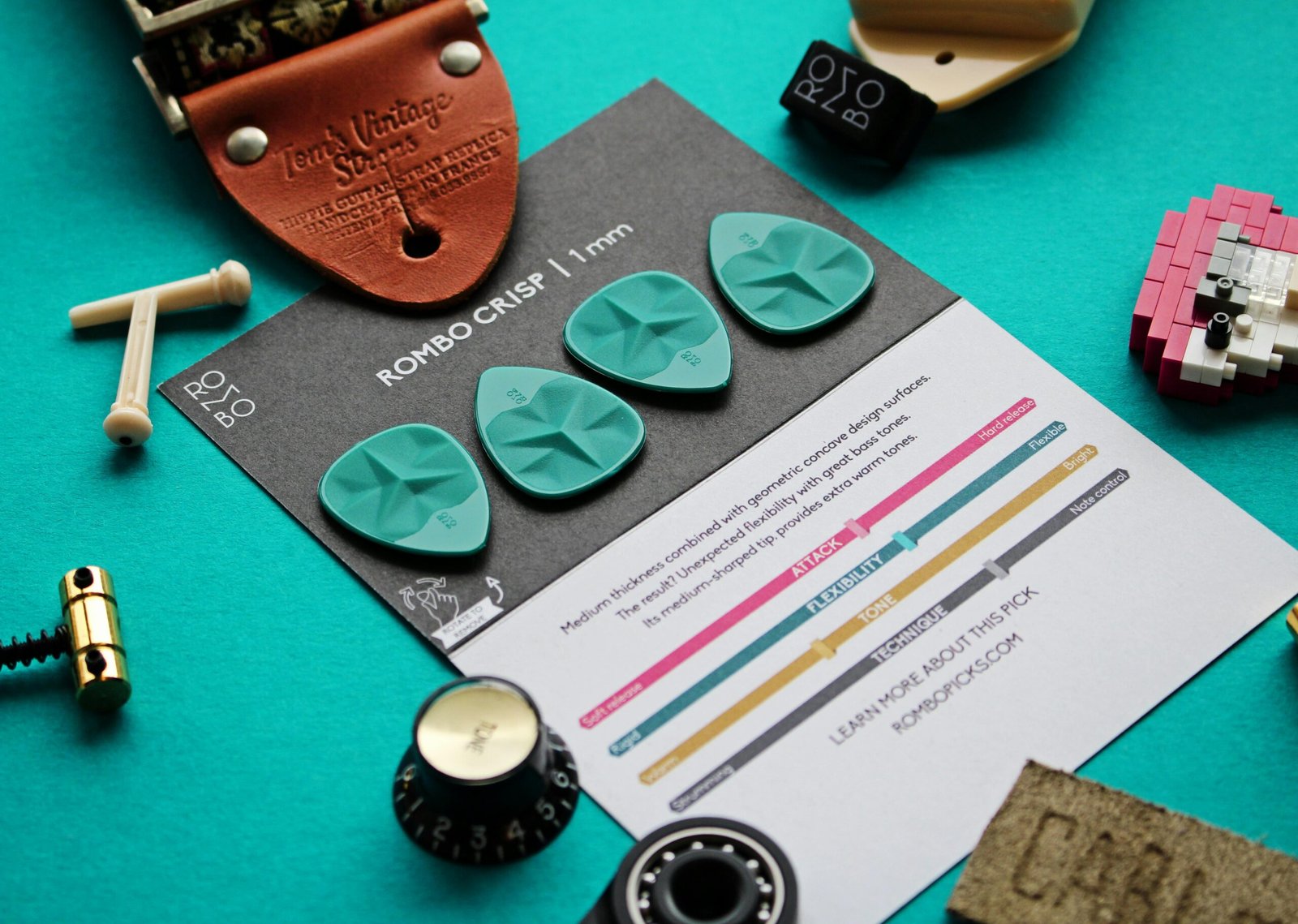
The term teal darker refers to a deeper, richer variation of the classic teal color that blends blue and green in a way that produces a bold, sophisticated tone. While standard teal is already known for its balance between calmness and vibrancy, darker teal shades add intensity, depth, and elegance. We explore teal darker not just as a color, but as a design statement, a branding tool, and a psychological influencer that shapes visual experiences across digital platforms, interior spaces, fashion collections, and marketing materials. Understanding how teal darker functions, how to create it, and how to apply it strategically gives us a powerful advantage in modern design and visual communication.
Understanding the Teal Darker Color Spectrum
Teal sits between blue and green on the color wheel, but when we refer to teal darker, we are discussing a tone that shifts toward deeper saturation and lower lightness levels. This is achieved by reducing brightness and increasing pigment density, resulting in a more dramatic shade. Dark teal often includes hex codes such as #014D4E, #003F44, or #005F5F, depending on the exact variation. In RGB terms, darker teal shades typically contain reduced red values and moderate green and blue values to maintain balance while emphasizing depth.
From a technical standpoint, dark teal can also be described using HSL (Hue, Saturation, Lightness) values. Lowering the lightness percentage while maintaining moderate to high saturation results in the teal darker effect. This technical understanding is essential for graphic designers, web developers, and digital artists who require precision in their color palettes.
Color Psychology of Teal Darker
Color psychology plays a crucial role in how audiences perceive visual content. Teal darker shades combine the calming properties of blue with the restorative qualities of green. However, the darker variation introduces additional emotional signals such as stability, authority, sophistication, and confidence.
We often associate darker teal with professionalism and maturity. It conveys trust without appearing overly corporate, and creativity without being overwhelming. This balance makes teal darker highly effective in branding, especially for industries like finance, wellness, technology, and luxury goods. Unlike bright teal, which can feel playful, teal darker communicates depth and reliability.
In interior design, darker teal walls can create a cozy yet refined atmosphere. The shade absorbs light in a way that enhances warmth while maintaining vibrancy. Psychologically, this creates environments that feel grounded and secure, making teal darker ideal for living rooms, offices, and creative studios.
How to Create Teal Darker Shades
Creating a teal darker shade involves adjusting the brightness and saturation of standard teal. We can achieve this in several ways depending on the medium:
Digital Design
Using software such as Photoshop or Illustrator, lowering the brightness slider and slightly increasing saturation will deepen the teal. Alternatively, manually adjusting the RGB values to reduce red while balancing green and blue produces accurate results.
Paint Mixing
In physical mediums, mixing teal paint with small amounts of black or navy blue will darken the color. However, precision is essential, as too much black can muddy the vibrancy of teal. Adding a touch of deep blue instead of pure black often preserves richness.
CSS Example
For web development, a simple CSS declaration might look like this:
color: #FFFFFF;
This combination provides excellent contrast while maintaining visual appeal.
Teal Darker Color Combinations
The versatility of teal darker becomes even more evident when paired with complementary colors. Gold accents create a luxurious aesthetic, while soft blush tones introduce warmth and contrast. White and cream highlight teal’s depth, producing a clean and modern look. Mustard yellow adds energy without overwhelming the composition.
For branding, pairing teal darker with charcoal gray communicates professionalism and authority. In digital interfaces, combining teal darker backgrounds with light typography ensures readability while maintaining visual sophistication. The key lies in balancing contrast and harmony to avoid visual heaviness.
Teal Darker in Interior Design
Interior designers frequently use darker teal shades to create statement walls and focal points. In living spaces, teal darker works beautifully with wooden textures and metallic accents such as brass or copper. The color enhances natural materials and introduces depth to neutral palettes.
Bedrooms benefit from teal darker because of its calming undertones. When paired with soft lighting and textured fabrics, it transforms a space into a serene retreat. Kitchens and dining areas can also incorporate teal darker cabinetry for a bold yet timeless aesthetic.
Lighting plays a critical role in how teal darker appears. Warm lighting emphasizes green undertones, while cool lighting highlights blue tones. Understanding this interaction ensures that the color maintains its intended mood within a space.
Teal Darker in Fashion and Branding
In fashion, teal darker exudes elegance and modern sophistication. Evening wear in deep teal tones appears luxurious without being overly dramatic. Accessories in darker teal shades add richness to neutral outfits.
Branding strategies frequently adopt teal darker for its psychological impact. Technology companies favor it for its balance between innovation and reliability. Wellness brands use it to represent tranquility and restoration. The color’s adaptability across digital and print media makes it a strategic branding choice.
Logos designed with teal darker often stand out against white backgrounds while remaining subtle and professional. The shade maintains visibility across various screen types and print materials, ensuring consistency in brand identity.
Modern Digital Design Trends with Teal Darker
Modern websites increasingly feature darker color schemes, and teal darker aligns perfectly with this trend. Dark mode interfaces benefit from deep teal backgrounds that reduce eye strain while preserving vibrancy. This approach enhances user experience and supports extended screen time.
Gradients incorporating teal darker and navy blue create depth and dimension. Micro-interactions and hover effects using lighter teal highlights over darker teal bases add dynamism to user interfaces. These techniques contribute to contemporary and visually engaging digital environments.
Conclusion
Teal darker is far more than a simple variation of teal; it is a powerful design element that communicates depth, sophistication, and balance. By understanding its technical composition, psychological impact, and practical applications, we unlock its full potential across digital design, branding, interior decoration, and fashion. The richness of teal darker lies in its ability to combine calmness with authority, creativity with stability, and vibrancy with elegance. When applied thoughtfully, it elevates visual experiences and strengthens aesthetic identity in any context.
Frequently Asked Questions (FAQ)
What is the hex code for teal darker?
Common teal darker hex codes include #014D4E, #003F44, and #005F5F, though variations depend on the desired depth.
Is teal darker suitable for small spaces?
Yes, when balanced with proper lighting and lighter accents, teal darker can make small spaces feel cozy and sophisticated.
What colors pair best with teal darker?
Gold, blush pink, mustard yellow, charcoal gray, and crisp white complement teal darker beautifully.
Is teal darker good for branding?
Absolutely. Its psychological association with trust, creativity, and stability makes it ideal for professional branding.
How do I darken teal without losing vibrancy?
Instead of adding pure black, mix teal with deep blue or adjust digital saturation levels carefully to maintain richness.