
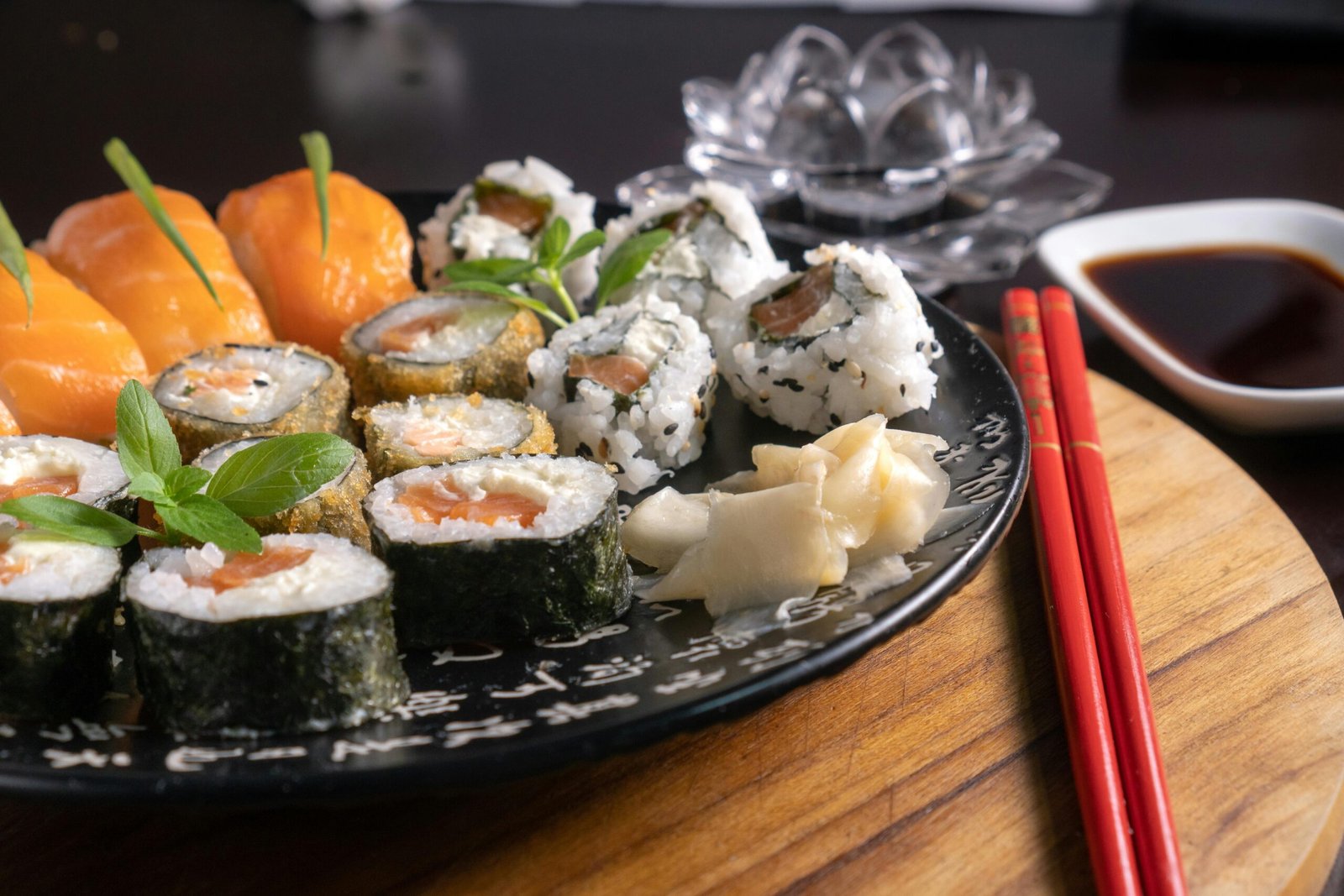
Japanese cuisine has captivated food enthusiasts worldwide, and sushi remains one of the most iconic elements of this culinary tradition. Among sushi varieties, sashimi and nigiri are two of the most celebrated and frequently enjoyed styles. While both highlight the freshness and quality of fish, they differ in presentation, preparation, and eating experience. Understanding the distinctions between sashimi vs nigiri not only enhances your dining experience but also deepens your appreciation for the precision, artistry, and culture behind Japanese sushi. In this guide, we explore everything from ingredients and techniques to etiquette and health benefits, providing a complete reference for sushi lovers.
What Is Sashimi?
Sashimi is a Japanese delicacy consisting of thinly sliced raw fish or seafood, served without rice. The focus of sashimi is entirely on the flavor, texture, and freshness of the fish. Common varieties include tuna, salmon, yellowtail, and mackerel, often served with garnishes such as shredded daikon radish, shiso leaves, or a dab of wasabi.
Sashimi emphasizes the purity of the fish, allowing diners to savor subtle flavors and nuances that might be masked in more complex dishes. Proper preparation is crucial: chefs must slice the fish precisely, usually against the grain, to achieve the perfect texture. Sashimi is traditionally eaten with soy sauce and sometimes paired with pickled ginger to cleanse the palate between bites.
What Is Nigiri?
Nigiri is another traditional Japanese sushi type consisting of a hand-pressed mound of rice topped with slices of fish or seafood. The rice is lightly seasoned with vinegar, sugar, and salt, providing a slightly tangy backdrop that complements the fish. Unlike sashimi, nigiri combines both the protein and rice, offering a more filling experience.
Nigiri can include additional toppings or garnishes, such as a small brush of soy sauce, a touch of wasabi between the fish and rice, or a delicate seaweed strip (nori) to secure certain ingredients. Common nigiri toppings include tuna, salmon, shrimp, eel, and octopus. The balance between the rice and fish is essential, as the two components must harmonize in taste and texture.
Sashimi vs Nigiri: Key Differences
While both sashimi and nigiri celebrate raw seafood, there are three major differences to understand:
-
Rice – Sashimi contains no rice, while nigiri is built on a bed of vinegared rice. This makes nigiri more filling and adds a subtle sweetness that contrasts with the fish’s natural flavors.
-
Presentation – Sashimi is served as individual slices of fish, often elegantly arranged on a plate. Nigiri features compact hand-formed rice topped with fish, emphasizing structure and balance.
-
Eating Experience – Sashimi offers a pure, fish-forward experience, perfect for tasting the fish’s quality. Nigiri blends rice and fish, creating a more harmonious combination that balances flavors and textures.
These differences make each style unique, and sushi enthusiasts often enjoy both to fully appreciate the range of textures and tastes.
Health Benefits of Sashimi and Nigiri
Both sashimi and nigiri offer excellent nutritional value. Raw fish is rich in protein, omega-3 fatty acids, and essential vitamins, supporting heart health, brain function, and overall wellness. Nigiri adds the benefit of rice, providing carbohydrates for energy. Additionally, sushi is typically low in saturated fat, making it a healthier alternative to fried or heavily processed foods.
It’s important to choose high-quality, fresh fish to minimize risks associated with raw seafood, such as parasites or foodborne illness. Trusted sushi restaurants and reputable suppliers ensure that sashimi and nigiri are safe and enjoyable.
Tips for Enjoying Sashimi and Nigiri
When dining on sashimi or nigiri, consider a few key tips to enhance your experience:
-
Use chopsticks or hands: Nigiri can be eaten with your hands, while sashimi is traditionally eaten with chopsticks.
-
Dip lightly in soy sauce: For nigiri, dip the fish side, not the rice, to prevent it from falling apart. For sashimi, a small amount of soy sauce enhances flavor.
-
Appreciate the garnishes: Pickled ginger cleanses the palate, allowing you to savor each piece fully.
-
Eat in one bite: Sushi is meant to be enjoyed as a single bite to balance flavors.
These practices not only show respect for the culinary tradition but also maximize the taste experience.
Popular Types of Fish for Sashimi and Nigiri
Some of the most popular fish and seafood for sashimi and nigiri include:
-
Tuna (Maguro) – Mild flavor and firm texture, suitable for both styles.
-
Salmon (Sake) – Rich, buttery taste that pairs well with rice in nigiri.
-
Yellowtail (Hamachi) – Delicate flavor, commonly served in sashimi form.
-
Eel (Unagi) – Usually grilled and glazed, ideal for nigiri.
-
Shrimp (Ebi) – Lightly boiled and served atop rice for nigiri.
Experimenting with different fish varieties allows diners to explore a spectrum of flavors and textures, enhancing their sushi experience.
Conclusion: Sashimi vs Nigiri – Appreciating the Art of Sushi
In conclusion, both sashimi and nigiri showcase the artistry, precision, and cultural significance of Japanese cuisine. Sashimi emphasizes the purity of raw fish, allowing diners to savor delicate flavors, while nigiri combines rice and seafood for a more balanced and filling experience. Understanding the differences between these styles enhances your dining experience, providing insight into traditional techniques, nutritional benefits, and presentation. Whether you are a sushi enthusiast or a curious newcomer, enjoying both sashimi and nigiri allows you to fully appreciate the depth and elegance of this world-famous cuisine.
Frequently Asked Questions (FAQ)
What is the main difference between sashimi and nigiri?
Sashimi is just slices of raw fish, while nigiri includes hand-pressed rice topped with fish.
Can nigiri be made with cooked fish?
Yes, some nigiri features cooked toppings, like shrimp or eel, but sashimi is always raw.
Is sashimi healthier than nigiri?
Both are nutritious, but sashimi has fewer calories since it does not include rice.
How should I eat nigiri?
It can be eaten with hands or chopsticks, and you should dip the fish side lightly in soy sauce.
What types of fish are best for sashimi and nigiri?
Popular choices include tuna, salmon, yellowtail, shrimp, and eel.