
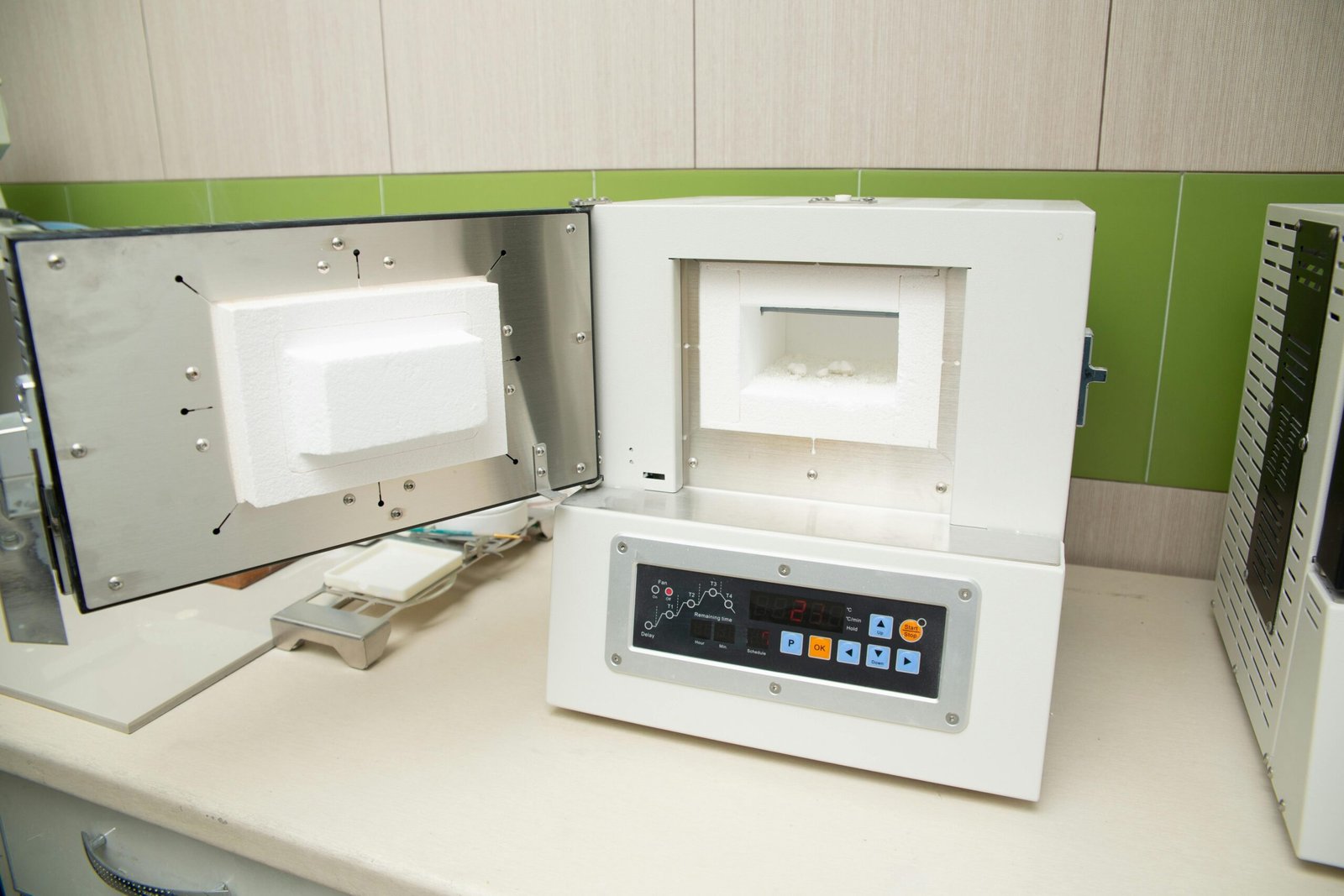
A denture reline is an essential dental procedure that helps restore the proper fit and comfort of dentures over time. As the shape of your gums and jawbone changes naturally, dentures can become loose, uncomfortable, or less effective. A denture reline involves reshaping the underside of the denture so it fits securely against the gums again. This process improves stability, comfort, and overall oral function, allowing individuals to eat, speak, and smile with confidence. In this comprehensive guide, we explore everything about denture relining, including types, procedures, benefits, costs, and maintenance tips to ensure long-lasting results.
What is a Denture Reline?
A denture reline is a dental procedure that involves modifying the inner surface of a denture to improve its fit against the gums. Over time, the gums and bone structure in the mouth change due to factors such as aging, tooth loss, and natural bone resorption. These changes can cause dentures to loosen, leading to discomfort and reduced functionality.
Relining helps restore a snug fit by adding new material to the denture base, ensuring better contact with the gums. This process can be performed on both full and partial dentures, making it a versatile solution for many denture wearers.
Types of Denture Reline
There are several types of denture relines, each designed to address specific needs:
1. Soft Denture Reline
A soft reline uses a pliable material that remains flexible, providing extra comfort for individuals with sensitive gums or sore spots. It is ideal for patients who experience irritation or pain from rigid dentures.
2. Hard Denture Reline
A hard reline uses a durable acrylic material similar to the original denture base. It offers a long-lasting solution and is commonly recommended for patients seeking a stable and permanent fit.
3. Temporary Reline
A temporary reline is used when gums are healing or undergoing changes. It provides a short-term solution until a permanent reline or new denture can be created.
Understanding these options helps patients choose the most suitable type based on their comfort and dental needs.
Denture Reline Procedure: Step-by-Step
The denture reline procedure is relatively straightforward and typically performed by a dental professional:
Step 1: Examination
The dentist examines the dentures and oral tissues to determine the extent of adjustment needed.
Step 2: Impression
An impression of the gums is taken using a soft material to capture the current shape of the mouth.
Step 3: Application of Reline Material
The denture is fitted with new material on its inner surface to match the updated impression.
Step 4: Adjustment and Polishing
The dentist ensures the denture fits comfortably and makes any necessary adjustments before polishing it.
Step 5: Final Fitting
The relined denture is placed in the mouth to confirm proper fit and comfort.
This process can often be completed within a single visit or may require a short turnaround time if sent to a dental lab.
Benefits of Denture Reline
A denture reline offers numerous advantages that improve both comfort and functionality:
-
Improved Fit: Eliminates looseness and enhances stability.
-
Enhanced Comfort: Reduces irritation and sore spots.
-
Better Functionality: Makes eating and speaking easier.
-
Extended Denture Life: Delays the need for replacement.
-
Cost-Effective Solution: More affordable than new dentures.
These benefits make relining an essential part of denture maintenance.
Cost of Denture Reline
The cost of a denture reline varies depending on factors such as location, type of reline, and dental provider. On average:
-
Soft Reline: Moderate cost, may require periodic replacement.
-
Hard Reline: Slightly higher cost but longer-lasting.
-
Temporary Reline: Usually less expensive but short-term.
While prices can vary, relining is generally more affordable than replacing dentures entirely, making it a practical option for many patients.
Signs You Need a Denture Reline
Recognizing when you need a denture reline is crucial for maintaining oral health. Common signs include:
-
Loose or slipping dentures
-
Difficulty chewing or speaking
-
Gum irritation or soreness
-
Changes in facial appearance
-
Food getting trapped under dentures
If you experience any of these issues, consulting a dentist for a reline is recommended.
How Often Should Dentures Be Relined?
Most dentists recommend a denture reline every 1 to 2 years, depending on changes in the mouth and the condition of the dentures. Regular dental check-ups help identify when relining is necessary, ensuring continued comfort and functionality.
Denture Reline vs Denture Replacement
Understanding the difference between relining and replacing dentures is important:
-
Relining: Adjusts the existing denture for a better fit.
-
Replacement: Involves creating a completely new denture.
Relining is suitable when the denture structure is still in good condition, while replacement is necessary for worn-out or damaged dentures.
Tips for Maintaining Relined Dentures
To prolong the life of your relined dentures, follow these care tips:
-
Clean dentures daily with appropriate products.
-
Avoid using harsh chemicals or abrasive materials.
-
Store dentures in water when not in use.
-
Handle with care to prevent damage.
-
Visit your dentist regularly for check-ups.
Proper maintenance ensures durability and comfort.
Conclusion
A denture reline is a vital procedure that restores the fit, comfort, and functionality of dentures, helping individuals maintain confidence in their daily lives. By understanding the types, procedure, benefits, and maintenance requirements, patients can make informed decisions about their oral health. Regular relining not only improves comfort but also extends the lifespan of dentures, making it a cost-effective and practical solution. With proper care and timely adjustments, dentures can continue to provide reliable performance for years.
Frequently Asked Questions (FAQ) About Denture Reline
Q1: What is a denture reline?
A: It is a procedure that adjusts the inner surface of dentures to improve fit and comfort.
Q2: How long does a denture reline take?
A: It can often be completed in one visit or within a few days, depending on the method.
Q3: Is a denture reline painful?
A: No, it is generally painless and improves comfort.
Q4: How much does a denture reline cost?
A: Costs vary but are typically lower than replacing dentures.
Q5: Can I reline my dentures at home?
A: DIY kits exist, but professional relining is recommended for safety and accuracy.
Q6: How often should dentures be relined?
A: Usually every 1–2 years, depending on oral changes.
Q7: What is the difference between soft and hard relines?
A: Soft relines are flexible and comfortable, while hard relines are durable and long-lasting.