
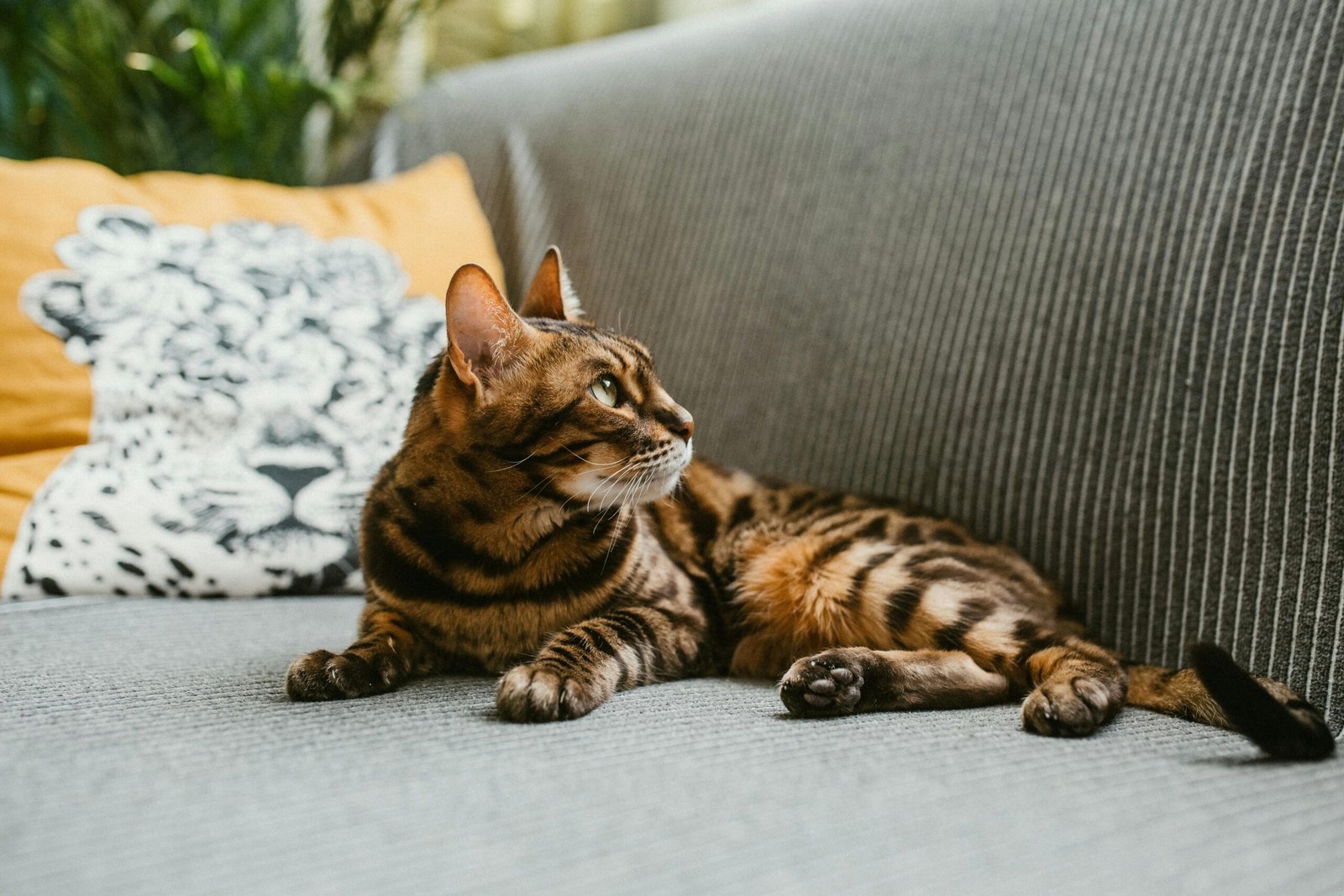
Breeding Bengal cats is a rewarding yet complex endeavor that requires deep knowledge, careful planning, and a commitment to ethical practices. The Bengal cat is admired for its striking coat patterns, energetic personality, and resemblance to wild felines, making it one of the most sought-after breeds in the world. We approach Bengal breeding with precision and responsibility, ensuring that each step—from selecting breeding pairs to raising kittens—is handled with expertise. This guide provides a detailed roadmap for achieving success while maintaining the highest standards of care and integrity.
Understanding the Bengal Cat Breed
The Bengal cat originated from crossing domestic cats with the Asian leopard cat, resulting in a breed that combines wild aesthetics with a domesticated temperament. Bengals are known for their muscular build, distinctive spotted or marbled coats, and high intelligence. Their active nature requires attentive care, making them best suited for owners who can provide stimulation and interaction.
Key Requirements for Breeding Bengal Cats
Successful breeding begins with meeting essential requirements that ensure both health and quality.
1. Selecting High-Quality Breeding Pairs
We prioritize cats with strong genetic backgrounds, free from hereditary diseases. Traits such as coat clarity, rosette patterns, and temperament play a crucial role in producing desirable kittens.
2. Health Testing and Veterinary Care
Comprehensive health screenings are essential. Testing for genetic conditions ensures that breeding pairs contribute to healthy and resilient offspring.
3. Understanding Legal and Ethical Standards
Breeders must comply with local regulations and adhere to ethical guidelines. Responsible breeding focuses on animal welfare rather than profit.
Bengal Cat Genetics and Breeding Principles
Genetics plays a central role in determining the appearance and health of Bengal kittens. We carefully analyze lineage to predict coat patterns, color variations, and physical traits. Understanding dominant and recessive genes allows us to maintain breed standards while avoiding undesirable characteristics. Ethical breeders avoid excessive inbreeding, ensuring genetic diversity and long-term health.
The Bengal Breeding Process Step by Step
1. Preparing the Breeding Environment
A calm, clean, and stress-free environment is essential for successful mating and pregnancy.
2. Mating and Conception
We monitor the female’s heat cycle to ensure optimal timing for mating, increasing the chances of successful conception.
3. Pregnancy Care
Pregnant Bengal cats require nutrient-rich diets, regular veterinary checkups, and a safe space to rest.
4. Birth and Kitten Care
Kittens should be born in a quiet, comfortable area. Immediate care includes monitoring health, ensuring proper feeding, and maintaining warmth.
Costs of Breeding Bengal Cats
Breeding Bengals involves significant financial investment. Expenses include:
- Veterinary care and health testing
- High-quality nutrition
- Breeding registration and certifications
- Housing and maintenance
We emphasize that responsible breeding prioritizes quality over cost savings, ensuring the well-being of both parents and kittens.
Caring for Bengal Kittens
Early Development
Kittens require constant attention during their early weeks. Proper nutrition and socialization are critical for healthy growth.
Socialization and Training
We introduce kittens to human interaction and environmental stimuli, helping them develop friendly and adaptable personalities.
Vaccination and Health Monitoring
Regular vaccinations and checkups protect kittens from diseases and ensure long-term health.
Common Challenges in Breeding Bengals
Breeding Bengal cats presents several challenges that require preparation and expertise. Complications during pregnancy, genetic issues, and behavioral concerns can arise. We address these challenges through proactive care, professional veterinary support, and continuous learning.
Ethical Breeding Practices
Ethical breeding is the foundation of success. We avoid overbreeding, ensure proper living conditions, and prioritize the health of every cat involved. Transparency with buyers and adherence to breeding standards maintain trust and credibility.
Why Bengal Cats Are Highly Valued
Bengal cats are prized for their unique appearance, intelligence, and energetic nature. Their exotic look combined with a domesticated temperament makes them a preferred choice for cat enthusiasts. Responsible breeding enhances these qualities while preserving the integrity of the breed.
Conclusion
Breeding Bengal cats requires dedication, expertise, and a strong commitment to ethical standards. By carefully selecting breeding pairs, understanding genetics, and providing exceptional care, we can produce healthy, high-quality kittens that reflect the true beauty of the breed. Success in Bengal breeding is not measured solely by results but by the well-being and happiness of the cats involved. With the right approach, breeding Bengals becomes a fulfilling and impactful endeavor.
Frequently Asked Questions (FAQ)
Is breeding Bengal cats profitable?
While it can be profitable, it requires significant investment and should always prioritize animal welfare over financial gain.
How long is a Bengal cat’s pregnancy?
The average gestation period is approximately 63 to 65 days.
What makes Bengal cats unique?
Their wild-like appearance, intelligence, and active personality set them apart from other breeds.
Do Bengal cats require special care?
Yes, they need mental stimulation, physical activity, and proper nutrition to thrive.
Can beginners breed Bengal cats?
Beginners can start with proper research and mentorship, but breeding requires knowledge, patience, and responsibility.