
Flowers have long been a universal symbol of beauty, life, and personal expression. Just as birthstones are associated with each month, birth flowers carry symbolic meaning tied to the month of one’s birth. For November, the birth flowers are the chrysanthemum and the peony, both celebrated for their beauty, elegance, and cultural significance.
The chrysanthemum, often called the “mums,” is widely recognized as a symbol of joy, longevity, and loyalty. Its vibrant colors, ranging from deep red to bright yellow, make it a popular choice in floral arrangements, gifts, and cultural ceremonies. The flower’s rich history spans continents, reflecting deep symbolism in Asia, Europe, and beyond.
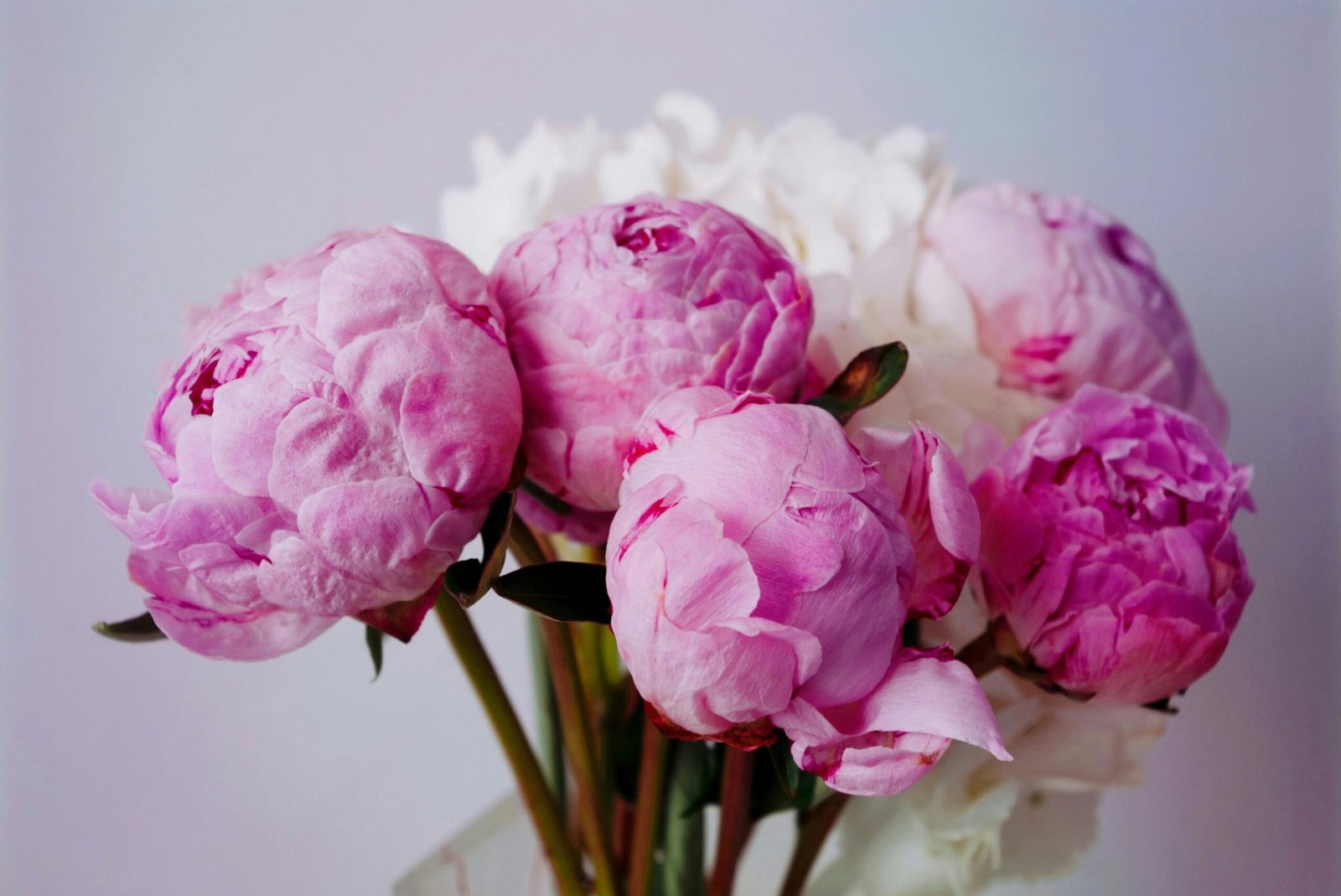
The peony, known for its lush, layered petals and captivating fragrance, represents prosperity, honor, and romance. Peonies have been revered for centuries in art, literature, and ceremonial traditions, making them a fitting secondary flower for November birthdays.
Understanding these flowers offers a unique perspective on the traits and qualities associated with individuals born in November. In this article, we provide a comprehensive guide to the November birth flowers, their symbolism, cultural history, and modern significance, offering readers both insight and inspiration for using these blooms in celebration or gifting.
What Are the November Birth Flowers?
The November birth flowers are chrysanthemum and peony. While some months have a single flower, November is unique for its dual representation, reflecting both vitality and elegance.
The chrysanthemum is renowned for its bright, cheerful blooms that convey friendship, loyalty, and positivity. Traditionally, chrysanthemums were cultivated in Asia, particularly in China and Japan, where they symbolize life and long-lasting happiness. The word “chrysanthemum” comes from the Greek words chrysos (gold) and anthemon (flower), emphasizing its golden hue and cultural value.
The peony, on the other hand, represents romance, honor, and good fortune. Peonies are often considered a flower of prosperity, with historical significance in Chinese and European cultures where they were cultivated for ceremonial and decorative purposes. Their lush petals and intoxicating fragrance make them a symbol of elegance and beauty.
Together, the chrysanthemum and peony convey a balance of joy, loyalty, romance, and prosperity—qualities often associated with November-born individuals.
Chrysanthemum: The Primary November Birth Flower
The chrysanthemum is the primary flower associated with November, and its symbolism is deeply rooted in history. These flowers are commonly available in red, white, yellow, pink, and purple, each color adding a layer of meaning. For instance, red chrysanthemums symbolize love, yellow represents friendship, and white conveys loyalty and truthfulness.
In addition to their beauty, chrysanthemums have cultural importance in many countries. In Japan, the chrysanthemum is a symbol of the emperor and the Imperial family, representing longevity and rejuvenation. In Europe, chrysanthemums are often used in autumn festivals and memorial traditions, symbolizing life and remembrance.
The flower’s long history and varied symbolism make it a meaningful gift for those celebrating November birthdays. Presenting chrysanthemums expresses admiration, loyalty, and positive wishes for longevity and happiness.
Peony: The Secondary November Birth Flower
The peony is the secondary November birth flower and is celebrated for its lavish, layered blossoms. Peonies are associated with prosperity, romance, honor, and beauty, making them a popular choice for weddings and ceremonial arrangements.
Historically, peonies were cultivated in ancient China and were regarded as the “king of flowers,” often reserved for royalty and high-ranking officials. Their cultural significance extends to art, poetry, and folklore, where they symbolize wealth, elegance, and honor.
The peony’s lush petals and strong presence make it a striking complement to the chrysanthemum. Together, these flowers reflect both outer beauty and inner virtue, qualities often admired in those born in November.
Symbolism of November Birth Flowers
The symbolism of the November birth flowers reflects a combination of personal qualities, emotional depth, and cultural meaning.
-
Chrysanthemum: Joy, loyalty, longevity, and cheerfulness. Red chrysanthemums convey love, yellow expresses friendship, and white signifies honesty and loyalty.
-
Peony: Prosperity, honor, romance, beauty, and good fortune. Peonies are associated with success and elegance and are often used to express admiration and respect.
For individuals born in November, these flowers reflect a balance between vibrant energy, emotional depth, and refined beauty, making them a perfect representation of the November personality.
Cultural and Historical Significance
The chrysanthemum and peony carry centuries of history. In Asian cultures, chrysanthemums are celebrated during festivals, while peonies often symbolize wealth and honor. In Europe, chrysanthemums are linked to autumn celebrations and remembrance, and peonies were cultivated for their fragrance and beauty in noble gardens.
The dual birth flowers of November highlight the blending of joy and prosperity, loyalty and honor, strength and elegance. These qualities are reflected in literature, art, and traditions across continents, emphasizing the flowers’ timeless appeal.
Why November Birth Flowers Are Popular Today
Today, birth flowers remain a popular way to celebrate birthdays, milestones, and personal achievements. Chrysanthemums and peonies are widely used in floral arrangements, birthday bouquets, jewelry designs, decorative art, and symbolic gifts.
For November-born individuals, these flowers are not only visually stunning but also carry meaningful messages. Gifting chrysanthemums or peonies expresses thoughtfulness, admiration, and celebration of character and life. Their enduring cultural significance ensures that these flowers continue to inspire both aesthetic appreciation and symbolic value.
Conclusion
The November birth flowers, chrysanthemum and peony, beautifully represent the qualities associated with people born in this month: loyalty, joy, elegance, prosperity, and honor. While the chrysanthemum symbolizes vitality and cheer, the peony adds depth through romance, beauty, and prosperity.
These flowers have a rich history spanning multiple cultures, making them both timeless and meaningful. Whether used in floral arrangements, gifts, or artistic representations, the November birth flowers remain a powerful symbol of personality, celebration, and cultural tradition.
Understanding the symbolism and history behind these flowers allows us to appreciate their beauty and significance, making them perfect for honoring November birthdays and personal milestones.
Frequently Asked Questions (FAQ)
What is the November birth flower?
The November birth flowers are the chrysanthemum and peony, each carrying unique symbolism and historical significance.
What does the chrysanthemum symbolize?
Chrysanthemums represent joy, loyalty, longevity, and cheerfulness, with specific colors adding deeper meaning.
What does the peony represent?
Peonies symbolize prosperity, romance, honor, beauty, and good fortune, making them a symbol of elegance and success.
Why does November have two birth flowers?
November has two birth flowers to reflect a combination of qualities: strength, vitality, prosperity, and elegance, making them complementary symbols.
Are chrysanthemums and peonies good gifts for November birthdays?
Yes, they are highly popular as gifts, bouquets, or decorative arrangements because they convey meaningful messages of admiration, joy, and honor.